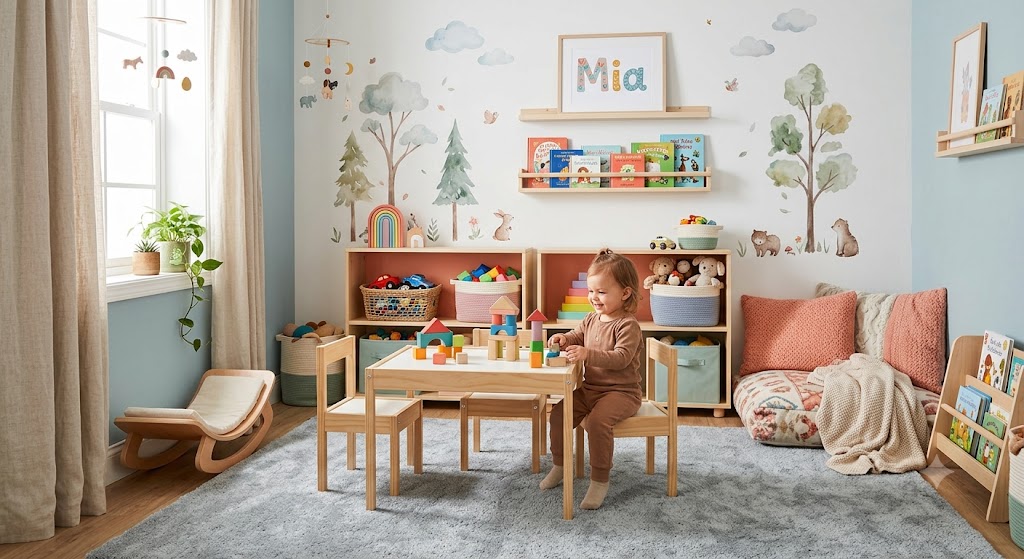
Designing a space for your baby or child is one of the most exciting parts of preparing a home for family life. Whether you are setting up a nursery for a newborn, refreshing a toddler’s room, or creating a play area for growing kids, the goal is to build a space that feels joyful, comfortable, safe, and easy to use every day. A child’s space should inspire imagination, support healthy routines, and make life more convenient for parents, too.
A fun and functional room does not have to be complicated or expensive. With thoughtful planning, smart storage, cozy details, and age-appropriate design choices, you can create a space your child will love while keeping it practical for daily care, play, rest, and growth.
Before choosing colors, furniture, or decorations, think about how the room will be used:
When you understand the purpose of the room, it becomes easier to make choices that support your family’s routine. For example, placing diapers, wipes, creams, and extra clothes near the changing station can make baby care smoother. Keeping toys in low bins can help toddlers learn independence and cleanup habits. Adding a small table or desk can give older children a place for crafts, learning activities, or quiet play.
Key Takeaway: A room should look beautiful, but it should also work well. Function is what helps the space stay organized and comfortable after the excitement of decorating is over.
Color plays a big role in how a room feels. Soft, calming colors can create a peaceful environment for sleep and relaxation, while brighter accents can make the space feel playful and energetic. You do not have to choose only traditional baby colors. Warm neutrals, gentle greens, sky blues, blush tones, sunny yellows, and earthy shades can all work beautifully in a child’s space.
Patterns can also add personality. Stars, animals, rainbows, clouds, florals, vehicles, woodland themes, or simple geometric prints can help create a fun look without overwhelming the room. The key is to keep the space cheerful while still allowing it to feel restful.
Furniture should be sturdy, safe, and suited to your child’s age:
Always prioritize safety by choosing furniture with smooth edges, stable construction, and age-appropriate features. Anchor heavy furniture such as dressers and bookshelves to the wall to help prevent tipping. Keep cords, small objects, and breakable decorations out of reach. For babies, follow safe sleep guidelines by keeping the crib free of loose blankets, pillows, stuffed animals, and extra items.
Children come with a lot of belongings—from diapers and blankets to toys, books, clothes, art supplies, and keepsakes. Without good storage, even the cutest room can quickly feel cluttered.
A functional child’s space often works best when it has simple zones:
Zoning helps children understand how to use the room and builds healthy daily habits.
Comfort matters in every child’s room. Soft rugs, curtains, cushions, blankets, and plush textures make the room feel warm and welcoming.
Decor is where the room truly comes to life! Wall art, decals, mobiles, name signs, themed bedding, and growth charts make the space feel unique.
A child’s room should be designed for real life. Spills, messes, and daily toy piles are all part of family living.
Children grow quickly, and their needs change fast. Planning for growth helps you make smarter design choices:
As your child transitions from newborn to crawling baby to toddler, their safety needs will evolve.
Creating a fun and functional space for your baby or child is about blending imagination with everyday practicality. The best rooms are not just beautiful—they support rest, play, learning, comfort, and family routines. By choosing safe furniture, smart storage, cheerful colors, and cozy textures, you can create a space that feels both magical and manageable.